How to Use an Anion Gap Calculator with VBG
What an Anion Gap Calculator Calculates
An anion gap is a computed result that assists in evaluating electrolytes and spot signs of metabolic acidosis. An Anion Gap Calculator takes in routine laboratory values to approximate the difference between commonly measured ions and the unmeasured acid components in the blood. This makes it a practical screening method for spotting an acid-base disorder that may not be obvious from symptoms alone.
In a typical serum chemistry panel, the calculation looks at the relationship between positively charged and negatively charged particles. The result indicates the body’s acid-base balance and can point toward an electrolyte imbalance, a metabolic derangement, or another cause of acid buildup. Because the anion gap is influenced by measured ions as well as unmeasured anions, it is often used as part of broader diagnostic support rather than as a stand-alone answer.
Clinically, the anion gap is most helpful when a patient’s laboratory values suggest acidosis. A widened gap can indicate accumulation of acids such as lactate or ketones, while a normal result can suggest a different type of problem. The calculator gives a fast way to translate raw numbers into meaningful clinical interpretation, especially when paired with the patient’s symptoms and other laboratory values.
The anion gap is not a diagnosis by itself; it is a clue that helps narrow the differential diagnosis.Why Venous Blood Gas Can Be Used
A venous blood gas is often sufficient for assessing many acid-base disturbances because it provides helpful information about pH, bicarbonate, and pCO2. Though an arterial blood gas is still important in some settings, venous sampling is commonly used when the goal is to evaluate metabolic status and determine the presence of metabolic acidosis.
For anion gap calculation, the key inputs are generally part of a chemistry panel rather than the gas sample itself. However, venous blood gas results add important physiologic context. If the pH is low and bicarbonate is reduced, the anion gap can help determine whether the cause is a high anion gap metabolic acidosis or a process with a normal gap. The pCO2 is also useful because it helps show whether respiratory compensation is occurring appropriately.
Venous blood gas analysis is especially helpful because it is fast, low in invasiveness, and often easier to obtain than arterial sampling. In practice, the calculator works best when venous gas data are interpreted alongside the serum chemistry panel. Together, these results provide a more complete picture of the patient’s acid-base disorder and overall buffer system status.
Anion Gap Formula
The standard calculation formula for the anion gap uses sodium, chloride, and bicarbonate:
Anion gap = sodium - (chloride + bicarbonate)
Some tools also include potassium in the equation:
Anion gap = (sodium + potassium) - (chloride + bicarbonate)
Both forms estimate the difference between measured cations and measured anions. The formula without potassium is used more often because potassium is a smaller contributor to the gap in many routine clinical settings. The calculator’s goal is to identify an anion deficit or excess that may reflect unmeasured acids in the circulation.
For the most accurate results, use values from the same time period and the same lab system when possible. The inputs should come from a reliable electrolyte panel and should match the values used in the patient’s blood gas analysis. A small mismatch between panels can affect result interpretation, especially when the anion gap is only mildly abnormal.
Common calculator inputs are:
- Sodium
- Chloride
- Bicarbonate
- Potassium, if the formula includes it
Because it is based on routine laboratory values, the calculator is a convenient tool for rapid clinical reasoning and broader clinical review.
How to Read a Typical, Raised, or Reduced Anion Gap
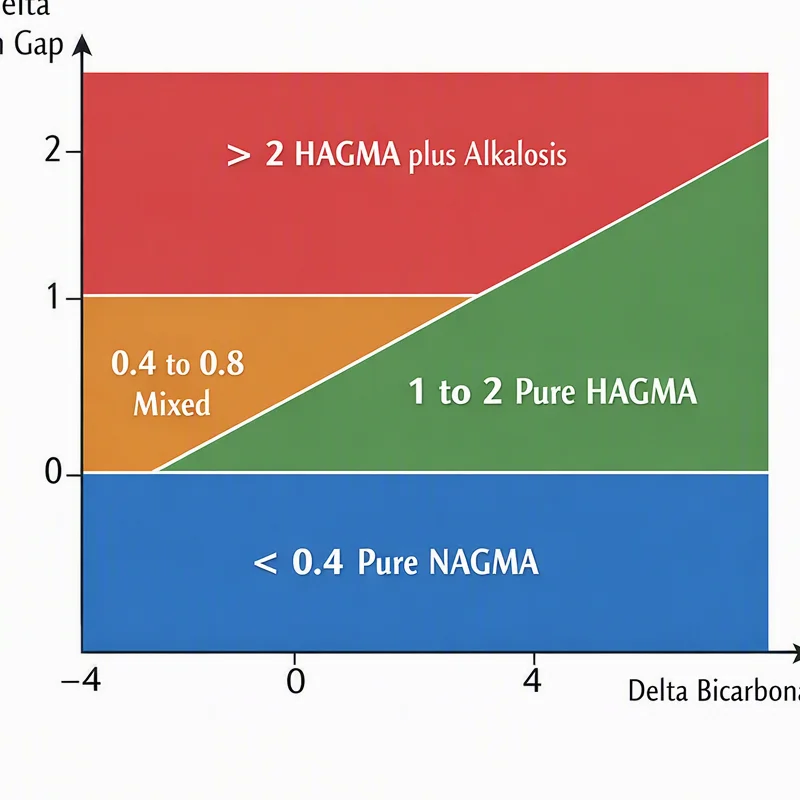
A standard anion gap indicates that the reduction in bicarbonate is being matched by an increase in chloride. This pattern is commonly called normal anion gap metabolic acidosis, also known as hyperchloremic metabolic acidosis. In this situation, the problem is usually related to bicarbonate losses or faulty acid handling rather than a accumulation of unmeasured acids.
A high anion gap metabolic acidosis means that unmeasured acids are building up. This is the pattern clinicians watch for when evaluating metabolic acidosis from causes such as lactic acidosis, ketoacidosis, renal failure, toxic alcohols, or uremia. The larger the gap, the more powerfully it suggests the presence of additional unmeasured anions.
A low anion gap is rarer but still important. It can be caused by reduced albumin, laboratory variation, or unusual conditions that alter the relationship between measured ions and unmeasured anions. A extremely low result should not be dismissed, especially if the clinical picture suggests another issue.
Reading the result always requires the full clinical picture. A single number cannot explain everything about an acid-base disorder. The best use of the calculator is as a decision aid that improves result interpretation when combined with pH, pCO2, bicarbonate, and symptoms.
Serum albumin Correction and Clinical Considerations
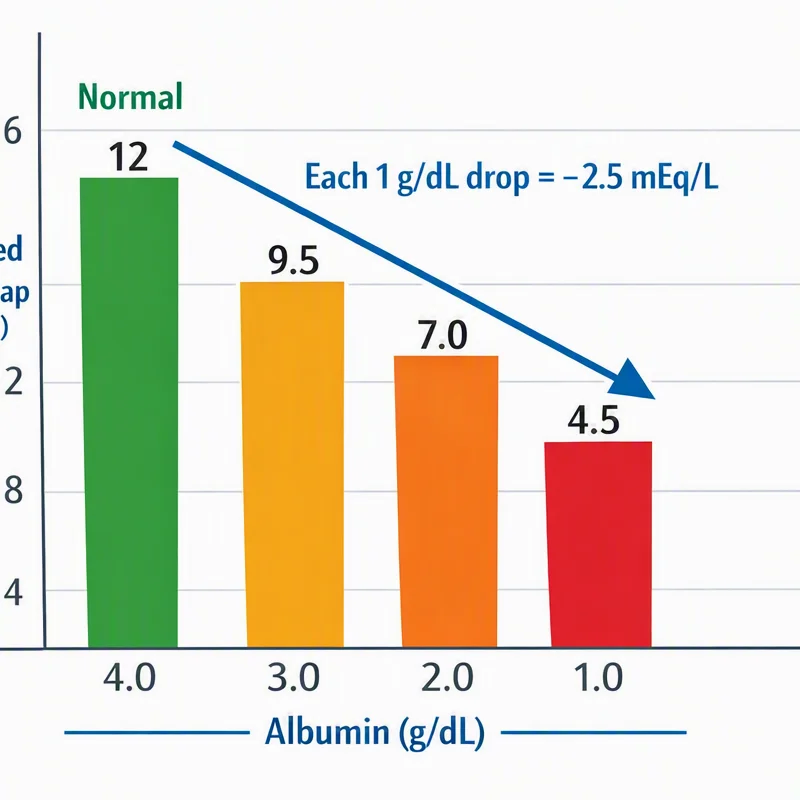
Albumin acts as one of the key unmeasured anions in blood, so low albumin can make the anion gap appear falsely low. This explains why hypoalbuminemia plays such a big role when using an Anion Gap Calculator. When albumin is reduced, the measured anion gap may downplay the presence of an underlying acid load.
An albumin-corrected anion gap refines the raw result using a correction factor based on the albumin level. This may help reveal hidden gaps that might otherwise be missed. The correction is particularly useful when evaluating suspected lactic acidosis, ketoacidosis, or mixed disorders in patients with low albumin.
For instance, a patient with low albumin may have a borderline anion gap even though the true burden of unmeasured anions is significant. Correcting for albumin can strengthen clinical judgment and sharpen the differential diagnosis. However, the corrected result still must be interpreted in the context of the full presentation.
Key caveats include:
- Albumin can change the expected reference range for the anion gap.
- Correction enhances sensitivity for hidden metabolic derangement.
- The corrected number does not remove the need for clinical interpretation.
Typical Causes of Elevated Anion Gap
A raised anion gap usually means there are extra acids in the system. The most common causes include lactic acidosis, ketoacidosis, renal failure, toxic alcohols, and uremia. Each cause increases the concentration of unmeasured anions and pushes the balance away from normal acid-base balance.
Lactic acidosis occurs when lactate accumulates, often due to tissue hypoperfusion, severe illness, or impaired oxygen delivery. Ketoacidosis appears when ketone bodies collect, which can happen in diabetes, starvation, or alcohol-related metabolic states. Both produce a high anion gap metabolic acidosis.
Renal failure leads to retention of acids that the kidneys normally eliminate, while uremia reflects the buildup of uremic acids and other retained solutes. Toxic alcohols such as methanol or ethylene glycol can also create a marked gap by generating organic acids after metabolism.
Because these conditions can look similar on the calculator, the anion gap should be viewed as a screening tool, not a final answer. The next step is to match the lab pattern to the patient’s symptoms, history, and other laboratory results.
Drawbacks When Using Venous Blood Gas Values
While a venous blood gas is useful, it does not fully replace an arterial blood gas in every case. Venous pH and pCO2 are helpful for following changes and for overall acid-base assessment, but they may not reflect oxygenation status the way an arterial sample does. Because of this, the choice of test should reflect the clinical question.
There is a risk of sampling error. If the blood draw is delayed, contaminated, or not matched with the chemistry panel, the calculator result may be misleading. Slight discrepancies between specimens can matter when the anion gap is near the upper end of the reference range.
Laboratory variation is an additional important limitation. Different analyzers can produce slightly different sodium, chloride, or bicarbonate values, which changes the final result. That is why the same patient may have modestly different anion gap values across institutions or even between testing platforms.
In the end, the anion gap should never be read outside its clinical context. A normal result does not exclude all metabolic problems, and a high result does not specify the exact cause. It is one piece of a larger diagnostic picture, supported by blood gas analysis, examination, and targeted testing.
Stepwise Example Calculation
This is a simple calculation example based on a standard chemistry panel and venous blood gas data. Imagine the electrolyte panel displays:

- Sodium: 140
- Chloride: 100
- Bicarbonate: 16
With the standard formula:
Anion gap = 140 - (100 + 16) = 24
When potassium be included and the level is 4.0, the formula becomes:
Anion gap = (140 + 4) - (100 + 16) = 28
Now add the venous blood gas values. Once the venous pH is low and pCO2 is also reduced, that supports a predominant metabolic process with respiratory compensation. A bicarbonate of 16 and an elevated anion gap together suggest an elevated anion gap acidosis.
Next, consider albumin. If albumin is low, the raw number may underestimate the true gap. After applying correction for albumin, the result may move even higher, raising suspicion for hidden acids such as lactate or ketones. This is why the calculator supports interpretation rather than replacing it.
Reference range matters as well. When lab’s expected range is 8 to 12, then a result of 24 is clearly elevated. If the value is only slightly above the range, the full picture becomes even more important, including symptoms, medications, and the rest of the laboratory profile.
Frequently Asked Questions
How do you calculate an anion gap from venous blood gas results?
The anion gap is usually calculated from the electrolyte panel, not directly from the venous blood gas. You use sodium, chloride, and bicarbonate in the formula, then interpret the result alongside venous pH and pCO2. The Anion Gap Calculator helps combine these values into a clearer picture of acid-base status.
Can venous blood gas replace arterial blood gas for anion gap interpretation?
In many situations, yes. A venous blood gas gives valuable information about pH, bicarbonate, and pCO2 for evaluating metabolic problems. However, an arterial blood gas may still be needed when oxygenation or precise respiratory assessment is important.
When should the anion gap be corrected for albumin?
Revise the result when albumin is https://anion-gap-range765.trexgame.net/anion-gap-calculator-for-combined-acid-base-imbalances decreased or possibly low, particularly when the raw anion gap seems normal despite signs of acid buildup. Hypoalbuminemia can conceal a true elevation, so the albumin-corrected anion gap gives better clinical support.
What does a high anion gap mean on a venous blood gas?
A elevated result usually indicates high anion gap metabolic acidosis, which can be caused by lactic acidosis, ketoacidosis, renal failure, toxic alcohols, or uremia. The finding should be interpreted with the venous pH, pCO2, and the broader clinical picture.
What are the limitations of an anion gap calculator?
An anion gap calculator requires accurate laboratory values, so sampling error and laboratory variation can affect the result. It also does not reveal the exact cause of the abnormality. It works best as a screening tool within a broader clinical interpretation of the patient’s acid-base disorder.