Can Lithium use Affect the Anion Gap?
Indeed. Lithium treatment may affect the anion gap, and in some cases it can cause a low anion gap or even a subzero anion gap. This occurs lithium is a positive cation that may not be fully reflected in routine electrolyte panels, so it can shift the balance between measured and unmeasured electrolytes. For clinicians reviewing serum chemistry, an Anion Gap Calculator can be a practical starting point, but the result always needs the broader clinical picture. A medication effect, an electrolyte imbalance, or a broader metabolic disturbance may all be contributing factors.
Even so, lithium is only one possible explanation. Proper laboratory interpretation requires looking at the full pattern of electrolyte values, especially sodium, serum chloride, and bicarbonate, along with albumin, kidney function, symptoms, and the lithium concentration. The anion gap is a useful diagnostic clue, not a single definitive answer.
Understanding the Anion Gap?
The anion gap is a clinical calculation used to assess the discrepancy between the major measured cations and anions in blood. Practically speaking, it helps clinicians think about acid-base disorders and identify conditions that may not be obvious from the basic chemistry panel alone. The calculation is based mainly on sodium, chloride, and bicarbonate, all of which are part of routine serum chemistry.
Usually, the body keeps charges balanced. However, not every ion is directly measured. The gap exists because there are unmeasured ions in the blood, including proteins, phosphates, sulfates, and certain cations. When the relationship between measured ions changes, the anion gap changes too. That is why it can serve as a clue for acid-base disorders, especially metabolic acidosis.
One way to understand it: the anion gap compares what is counted in the blood chemistry with what is not counted. If the balance shifts, the gap may become high, low, or, rarely, negative. Changes in electrolytes can reflect true disease, medication effects, or a lab issue. This is why interpretation of results should always consider the full clinical setting.
Albumin is especially important because it is one of the main unmeasured anion gap in chronic kidney disease anions. When albumin is low, the anion gap may fall even if nothing else has changed. That means a low value is not automatically caused by lithium or another toxin.
How an Anion Gap Calculator Works
An anion gap calculator is a straightforward utility that runs a laboratory calculation using numbers from the electrolyte panel. The most common formula is:
Anion gap = serum sodium − (serum chloride + iatrogenic NAGMA causes serum bicarbonate)
Some calculators include potassium, but many do not. The exact formula can vary by lab, so it is important to know which method your clinician or calculator uses. The calculator is only as accurate as the laboratory values entered into it, which means mistakes in units, transcription, or specimen quality can affect the result.
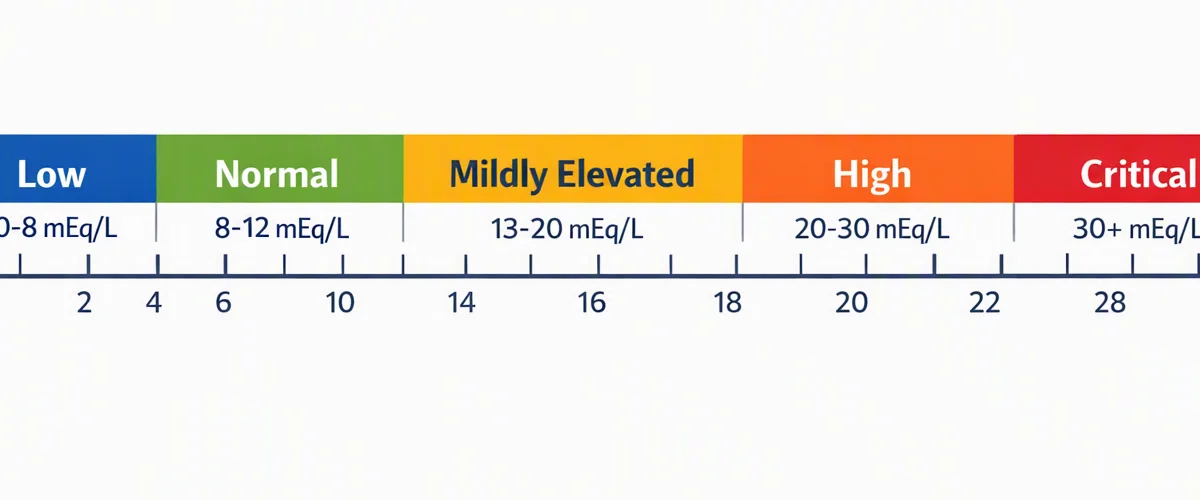
When using an anion gap calculator, the main inputs are:
- Serum sodium
- Serum chloride
- Serum bicarbonate
These are the measured ions used to infer the unmeasured portion of the blood’s electrical balance. If bicarbonate is low and chloride rises to compensate, the anion gap may appear normal or low depending on the full pattern. If there are extra positive cations that are not in the formula, such as lithium, the calculation may show an anion deficit.
Because the calculator is based on serum electrolytes, it is not a substitute for clinical judgment. It can quickly flag abnormal lab values, but it cannot determine the cause on its own. The interpretation of results should connect the calculation with symptoms, medication history, and renal function.
May Lithium Influence the Anion Gap?
Absolutely. Lithium can decrease the anion gap because it acts as an added positive cation in the bloodstream. Because routine chemistry panels do not directly include lithium in the formula, a elevated lithium concentration can reduce the calculated gap. In effect, lithium becomes one of the important unmeasured cations that alters the charge balance seen in serum electrolytes.
This is a well-known medication effect that can be valuable as a diagnostic clue. If a patient is taking lithium and has a low anion gap, clinicians should think about whether the value reflects expected drug exposure, a lab artifact, or lithium toxicity. In some cases, the result may even be a negative anion gap, although that is rare.
The key mechanism is simple: additional positively charged lithium ions can decrease the difference between measured sodium and the sum of chloride and bicarbonate. Because the calculation does not count lithium directly, the formula may show an artificial drop in the gap. This is why lithium is an key consideration in lab interpretation, especially when the result does not fit the rest of the clinical picture.
Still, lithium is not the only potential explanation for a low result. The anion gap is influenced by many factors, including albumin, chloride concentration, kidney function, and other causes of metabolic disturbance. That is why the broader context matters more than the number alone.
Reasons Lithium May Cause a Low Anion Gap
Lithium may produce a negative anion gap through its role as an unaccounted positive charge. In standard acid-base balance, the number of plus and anionic charges in the blood is about balanced. If lithium piles up, it introduces extra positive charge without being included in the formula, which can cause anion gap reduction. When the effect is strong, the calculated value may become unusually low or even negative.
This becomes especially concerning in lithium toxicity. Toxicity can occur when lithium levels rise due to dehydration, drug interactions, overdose, or impaired kidney clearance. In those cases, the anion gap may offer a clue that something is wrong, but it is not specific enough to confirm the diagnosis by itself. A low gap can point toward medication accumulation, but it can also result from low albumin or analytical issues.
Albumin matters because it is a major unmeasured anion. If albumin is low, the anion gap may already be reduced, and lithium can intensify that effect. That combination can make interpretation less straightforward. At the same time, hyperchloremia can also push the gap downward, because higher chloride concentration narrows the difference in the formula.
From an acid-base standpoint, a low or negative gap is not the same thing as acidosis, but it can coexist with acid-base problems. That is why clinicians consider both the gap and the broader acid-base balance. A patient can have lithium-related changes in the chemistry panel and still also have metabolic acidosis from another cause.
In short, lithium may lower the anion gap by adding unmeasured positive charge, but the final result depends on the entire metabolic picture.
How to Interpret Anion Gap Results in Lithium Users
When an individual on lithium presents with an abnormal anion gap, the result should be handled carefully. The first question is whether the patient has symptoms or signs of metabolic acidosis, dehydration, disorientation, hand tremor, emesis, or other findings that might suggest toxicity or another acute problem. Then the clinician checks the lithium level, because the laboratory result may reflect the drug’s actual burden in the body.
Renal function is particularly important because lithium is cleared by the kidneys. If kidney function declines, lithium can accumulate, raising the risk of toxicity and altering the chemistry panel. Even mild renal impairment can alter how the body handles lithium, making the medication effect more pronounced.
Clinical interpretation should also include the full electrolyte pattern. For example:
- Reduced sodium with high chloride and low bicarbonate may suggest a different metabolic disturbance.
- A low anion gap with low albumin may reflect hypoalbuminemia rather than lithium.
- A very low or negative value in a patient on lithium should raise concern for toxicity or another lab issue.
A good approach is to compare the anion gap result with the patient’s symptoms, medication history, recent dose changes, and kidney function. If the gap is unexpectedly low, repeat testing may help confirm whether the abnormality is real or related to a specimen or calculation problem. This is where careful lab interpretation becomes a diagnostic advantage rather than just a numeric exercise.
Also remember that the anion gap is only one part of the assessment. It can be a useful indicator of electrolyte imbalance, but lithium users need broader monitoring. When the number does not match the clinical picture, the result should be treated as a clue, not a conclusion.
Alternative Sources of an Atypical Anion Gap
It matters not to blame too quickly on an abnormal anion gap to lithium alone. Many conditions can produce a low or high gap, and some can coexist with medication effects. The most common reason for a low gap is hypoalbuminemia, because albumin is one of the main unmeasured anions. If albumin is reduced, the apparent gap may fall even when the rest of the chemistry is stable.
Additional causes include hyperchloremia, analytical variation, and unusual proteins or cations. In the setting of high anion gap metabolic problems, conditions such as ketoacidosis and lactic acidosis are major considerations. These usually raise the gap rather than lower it, but they are part of the broader differential diagnosis when reading an electrolyte panel.
Toxins can also affect the anion gap. Certain poisonings and medication exposures change measured ions or introduce unmeasured substances that alter the formula. Because the anion gap is a diagnostic clue, not a diagnosis, clinicians use it alongside history, examination, and confirmatory testing.
Additional explanations include lab error, changes in protein levels, and shifts in the balance between measured ions and unmeasured ions. If the value is very unusual, repeating the blood test is often useful. That helps distinguish a true metabolic disturbance from an artifact.
Ultimately, a low or abnormal gap should be interpreted in context. Lithium is on the list, but so are albumin changes, kidney problems, acid buildup, and toxic exposures.
When to Get Medical Review
Medical review is needed whenever an abnormal anion gap appears alongside concerning symptoms. This is particularly important for someone taking lithium. Warning signs including vomiting, diarrhea, confusion, severe tremor, unsteady walking, marked drowsiness, or worsening weakness can point to the need for urgent medical attention. These symptoms may indicate lithium toxicity or another serious metabolic issue.
Urgent review is needed when complaints are intense, the patient seems altered, or there is worry for poisoning, low fluid status, or kidney injury. Because lithium can become harmful when levels increase, quick assessment matters. A clinician may order follow-up electrolytes, a lithium level, kidney studies, and other studies depending on the situation.
Drug level monitoring is a key part of lithium therapy. In case the anion gap is abnormal, the medication dose, recent changes, hydration status, and other medications should be reviewed. Many interacting drugs can affect kidney clearance and increase risk. The clinician may also look for renal function changes that could explain the abnormal lab value.
A clinical assessment is the right next step any time the lab result is unexpected or the patient feels unwell. The aim is to distinguish a normal variant from a genuine clinical concern. In practice, that means combining the chemistry panel with symptoms, medication effect, and diagnostic testing rather than using one number alone.
FAQ: Lithium and Anion Gap Questions
Can lithium cause a low anion gap?
Yes. Lithium can cause a low anion gap because it is a charged cation that is not included in the typical anion gap formula. When lithium is present in adequate levels, it can lower the calculated gap by adding unmeasured cations to the blood chemistry equilibrium.
Can lithium cause a less-than-zero anion gap?
Indeed, while it is uncommon. A negative anion gap can happen when lithium accumulation is substantial or when other factors, like low albumin or high chloride, also drive the calculation downward. A negative result should lead to careful examination of the labs and clinical status.
How can an anion gap calculator help interpret lithium-related lab results?
An anion gap calculator offers a quick laboratory calculation from serum sodium, serum chloride, and serum bicarbonate. In lithium users, it can highlight an unexpected anion deficit that may be a sign to medication effect, toxicity, or another metabolic disturbance. It can assist, but does not replace, clinical interpretation.
Is a low anion gap always caused by lithium?
No. Hypoalbuminemia is a very common cause of a low gap, and hyperchloremia, lab variation, and other conditions can also lower it. Lithium is an important possibility, but it should not be assumed to be the only explanation without looking at albumin, kidney function, and the rest of the electrolytes.
What should be checked if someone on lithium has an abnormal anion gap?
Clinicians usually check the lithium level, renal function, albumin, repeat electrolytes, and the full clinical picture. They also assess for symptoms of toxicity or other acid-base disorders such as metabolic acidosis. This combined approach improves lab interpretation and helps determine whether the abnormal value reflects a true problem or a transient finding.